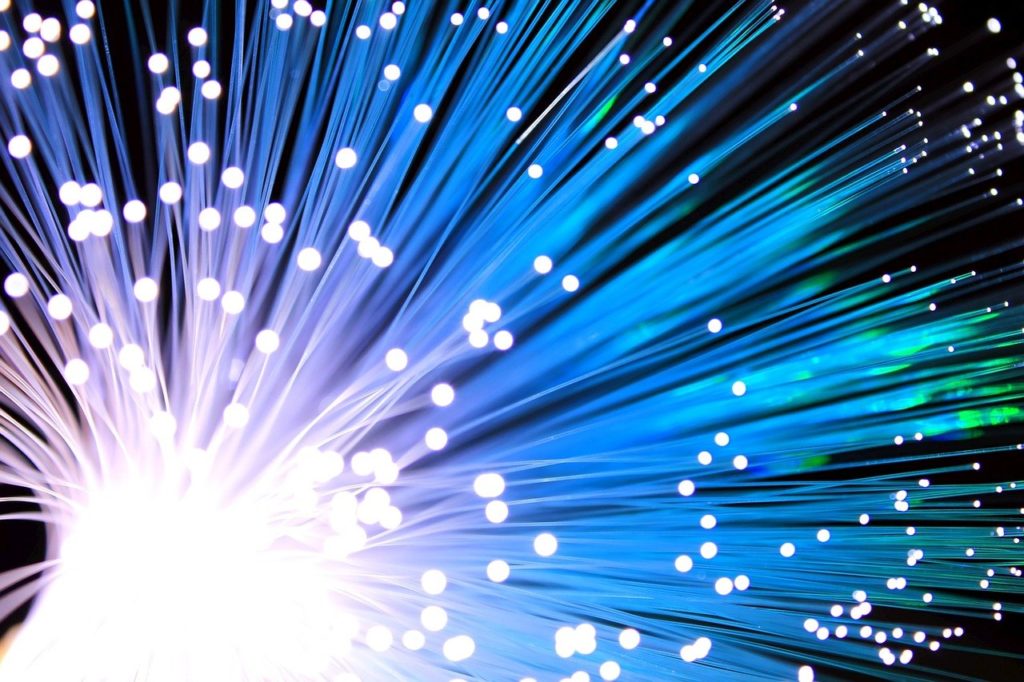
Fibre optic cables transmit data as pulses of laser or LED light. Each cable is composed of thin strands (fibres) of purified glass, which are coated in a reflective glass cladding. This allows a light beam shone into the fibre to travel down its length, bouncing off the walls as it goes. Fibre optic cables can carry far more information than ordinary copper cables of the same thickness, with less signal loss and no interference
Answered by Alexandra Franklin-Cheung for Brain Dump in How It Works issue 110.
For more science and technology articles, pick up the latest copy of How It Works from all good retailers or from ourwebsitenow. If you have a tablet or smartphone, you can also download the digital version onto youriOSorAndroiddevice. To make sure you never miss an issue of How It Works magazine,subscribe today!